Inflation increased due to multiple factors, namely expansionary economic policies (monetary and fiscal) during the pandemic that increased demand amid market shortages and trade restrictions, which raised transport costs, and Russia’s invasion of Ukraine, which raised energy and food prices.
What did central banks do to control inflation, and what was the result?
Central banks – in both advanced and emerging economies – raised interest rates, effectively tightening monetary policy. As a result, global inflation fell significantly, from 8.7% in 2022 to 6.7% in 2023, to 5.8% in 2024, and ended 2025 at 4.1%.
Related BanRep Blog: Colombian Inflation in the Global Context
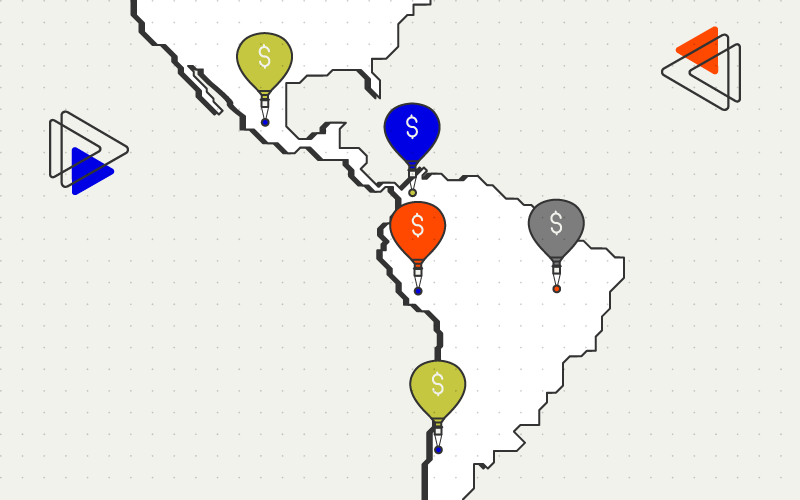
After a prolonged period of price stability, global inflation rose in 2021 and 2022 to unexpectedly high levels, reaching an average of 8.7% in 2022. In advanced economies, average annual consumer inflation increased from 0.7% in 2020 to 7.3% in 2022, while in emerging and developing economies it rose from 5.3% to 9.7%...