Inflation Expectations
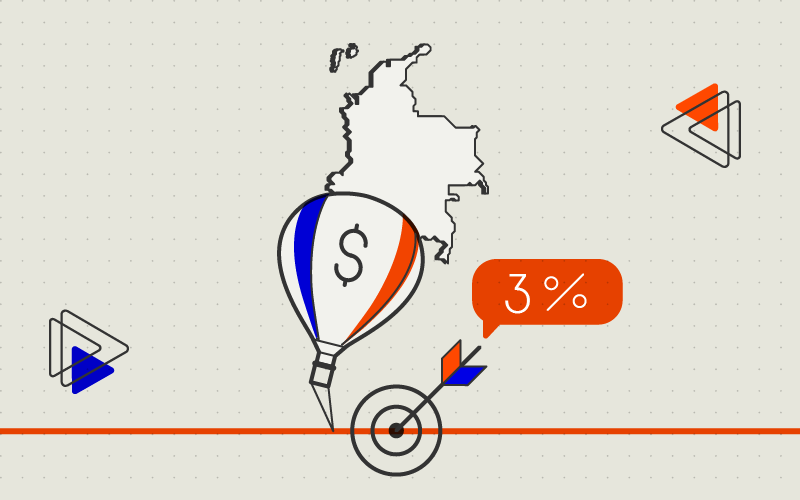
Son las estimaciones que hacen los agentes de la economía (hogares, empresas, inversionistas y expertos) sobre el nivel futuro de inflación. Si creen que los precios subirán un 3%, ajustan sus decisiones, es decir, negocian salarios, contratos y precios con base en esta cifra. Esto puede hacer que la inflación en el futuro termine cerca de ese 3%, funcionando como una profecía autocumplida.
Inflation expectations refer to the level of inflation that economic agents expect in the future. In other words, the estimates that individuals or groups make of future increases in the prices of goods and services that households consume most frequently.
Expectations play a very important role in the formation of inflation, so the credibility of Banco de la República’s decisions to meet the inflation target anchors economic agents’ expectations and reduces uncertainty about the future course of inflation. This reinforces and accelerates the transmission of monetary policy.
If, for example, families or companies expect inflation to increase by a certain percentage in the future, say by 3.0% per year, they will surely incorporate these expectations into their salary negotiations, agreements with suppliers, and contractual price adjustments, among others, which will effectively result in an increase close to 3.0%.
The control of expectations by the monetary authority depends on several factors, such as institutional credibility, clarity in communication, and economic education, which helps to understand monetary policy decisions. These factors are key in current monetary policy schemes that seek to influence the inflation expectations of economic agents in their decision-making.