Regional Economic Bulletin (BER in Spanish) - First Quarter of 2026
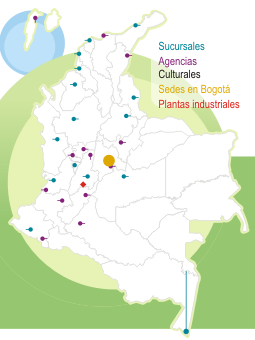
This quarterly publication analyzes the evolution of the main economic variables and indicators in seven regions of the country:

Bogotá
During the first quarter of 2026, the main economic activities in the Bogotá-Cundinamarca region showed positive year-over-year performance. Domestic demand remained dynamic, reflecting the increase in retail sales and imports of consumer goods, with hybrid and electric vehicles and technology products standing out. Manufacturing registered modest growth, driven by food and beverage production in Cundinamarca, but was slowed by a decline in textile and apparel manufacturing. In the construction sector, civil works in the capital city increased, while the constructed area of buildings declined. In Bogotá, inflation rose and remained above the national average, while unemployment decreased, and the city recorded the lowest informality rate in the country. (+info)

Caribbean Coast
During the first quarter of 2026, the economy in the Caribbean region continued to moderate its annual growth amid higher labor costs and business caution. Commerce continued to drive annual growth, supported by expanding household consumption, stronger consumer confidence, and the dynamism of large-scale events. In contrast, industrial production declined, affected by constraints in the supply of inputs. Inflation continued to rise due to higher prices for perishable goods, housing, restaurant services, and transportation. In the labor market, the employment and unemployment rates were similar to those recorded a year earlier. (+info)

Central Coffee Region
The economy of the central coffee region expanded during the first quarter of the year, driven by higher household spending. However, its growth pace was slower than the one observed at the end of 2025, amid declining coffee income, slower employment growth, and cautious purchasing decisions by households and businesses. Meanwhile, industrial production, non-coffee exports, and imports increased, which was reflected in higher road freight transportation. Inflation rose due to upward pressures on food and service prices. (+info)

Northeast
In the first quarter of 2026, economic activity in the northeast region recorded year-over-year growth, driven by domestic demand, favorable weather conditions for agricultural activity, and improvements in production processes. This dynamic was led by domestic trade, construction, and higher industrial and livestock output, with performances above the national average. In contrast, exports weakened due to lower sales of coal and coke. Inflation remained above target, while unemployment rates in Cúcuta and Bucaramanga reached historic lows. (+info)

Northwest
In the first quarter of 2026, most economic activity in the northwest region expanded, although signs of slowing growth appeared and were reflected in higher unemployment. Commerce was the main driver of growth, supported by demand for durable goods and improved consumer confidence in an environment of greater access to credit. Mining activity also expanded, driven by higher gold production and exports. Meanwhile, manufacturing, along with some indicators of the construction and agricultural sectors, showed more moderate growth. Inflation accelerated, with increased price pressures from perishable foods and services. (+info)

Southeast
The southeast region’s economy showed mixed results. Oil production declined due to lower activity in the main fields and operational disruptions, in a context of rising international prices driven by lower supply and geopolitical tensions. Agricultural production contracted, while livestock activity increased. Sales of vehicles and motorcycles increased, supported by households’ willingness to purchase durable goods and higher disposable income. In construction, constructed floor area increased, although approved area and new housing sales declined. Unemployment in Villavicencio remained low, with improvements in formal employment and labor force participation. Inflation increased due to food prices, while regulated-item inflation declined. (+info)

Southwest
The southwest region recorded annual growth in the first quarter of 2026. Higher consumer confidence and dynamic credit conditions boosted domestic trade, which in turn supported an improvement in manufacturing. In the agricultural and livestock sector, the harvest of some crops declined due to heavy rainfall and high input costs, while pork production increased in response to stronger demand. Exports grew, driven by higher external coffee sales, while imports rose due to the entry of durable consumer goods and capital goods. In contrast, building construction activity continued to decline, affected by weak performance in residential construction. Inflation accelerated due to pressures on food prices, and employment increased alongside higher informality. (+info)